
Newaygo silo images
I was on vacation in Newaygo, Michigan and found this silo structure fascinating.


Zen Camera - Day 3
Today’s photographs are not suggested by the Zen Camera book, but seem to be in the spirit and intention of the book. I went out looking for pictures this afternoon and I made two changes to my typical practice: I switched the lens to manual focus, and I left my glasses at home. I have quite poor vision. Getting things in sharp focus is a bit of a challenge at the best of times so I generally hope autofocus will do a good enough job. So today, with my blurry eyes and no electronic focusing help I shot pics. I noticed I was shooting pics i very likely would not if I had my glasses on, and I don’t really know why I shot some of the pics I did. Naturally, many just turned out bad. Not intriguing bad, or quirky bad. Just bad. But I liked how others turned out. Out of focus pictures are curious. If they are just a little out of focus they look like a mistake, then there is a level of out-of-focus that seems attractive and mysterious, and then there is a level of out-of-focus that just seems like a senseless blur. I think these fall in that midrange.

This is scene that often captures my eye. I think its because of the curving path. The blur and darker background make this pathway look a little more ominous

I took several looking up at the trees and sky pics. Definitely more than I would typically. Once again we have a curving “path” and darkness.

I couldn’t tell you why I thought to take this and yet there is something about it that keeps bringing me back.

There is this small stand of about a dozen pine trees that were planted in a clearing on the property. I’ve used it for several pictures. I don’t think I had ever noticed this formation.

Zen Camera - Day 2
I did another little stint of “shooting from the hip (and head and knee).” Taking pictures without looking through the viewfinder. One of the goals is to go back and look at the pictures that were taken and see what in them might might captivate me, and might show me new approaches I could intentionally incorporate into my photography. With this batch I did give myself permission to do some cropping, but no other processing.

I’ve taken many pictures of this locale. There is something about the angles of the hill, and presence of the path that captures me. This is close to one of my favorite framings of this scene. No cropping involved.

Frosty picnic table. I just like this one. Little bit cropped.

It was a bright, frosty morning. I just stuck the camera amongst the grass and shot. I like the bokeh. Little bit cropped.

I’ve noticed that most of the shots I take when not looking through the viewfinder are aimed lower than i would typically intend. Typically, I guess I like to include the horizon/skyline and some of the sky (even thought the sky can be quite a bother.) The original included a tiny slice of the horizon. I like it better with it cropped out.

I mostly don’t care for this image but I’m intrigued by the sweeping curves of the interior and exterior of the driveway. I think there is some potential to explore when I start looking through the viewfinder.
Zen Camera - Day 1
I received from a nephew the book “Zen Camera” by David Ulrich. My hope is it will help me explore more deeply using the camera as a tool of deeper awareness. It is structured as a series of lessons, with practices for each lesson.
It begins with the suggestion that we take a couple hundred pictures (minimum) each week to which I responded - that seems ridiculous, and “I’m not shooting those in RAW.” I guess I already (unjustifiably) find myself being too precious and precise with my picture taking so I’m guessing the pressure to be more promiscuous with my picture taking is worthwhile.
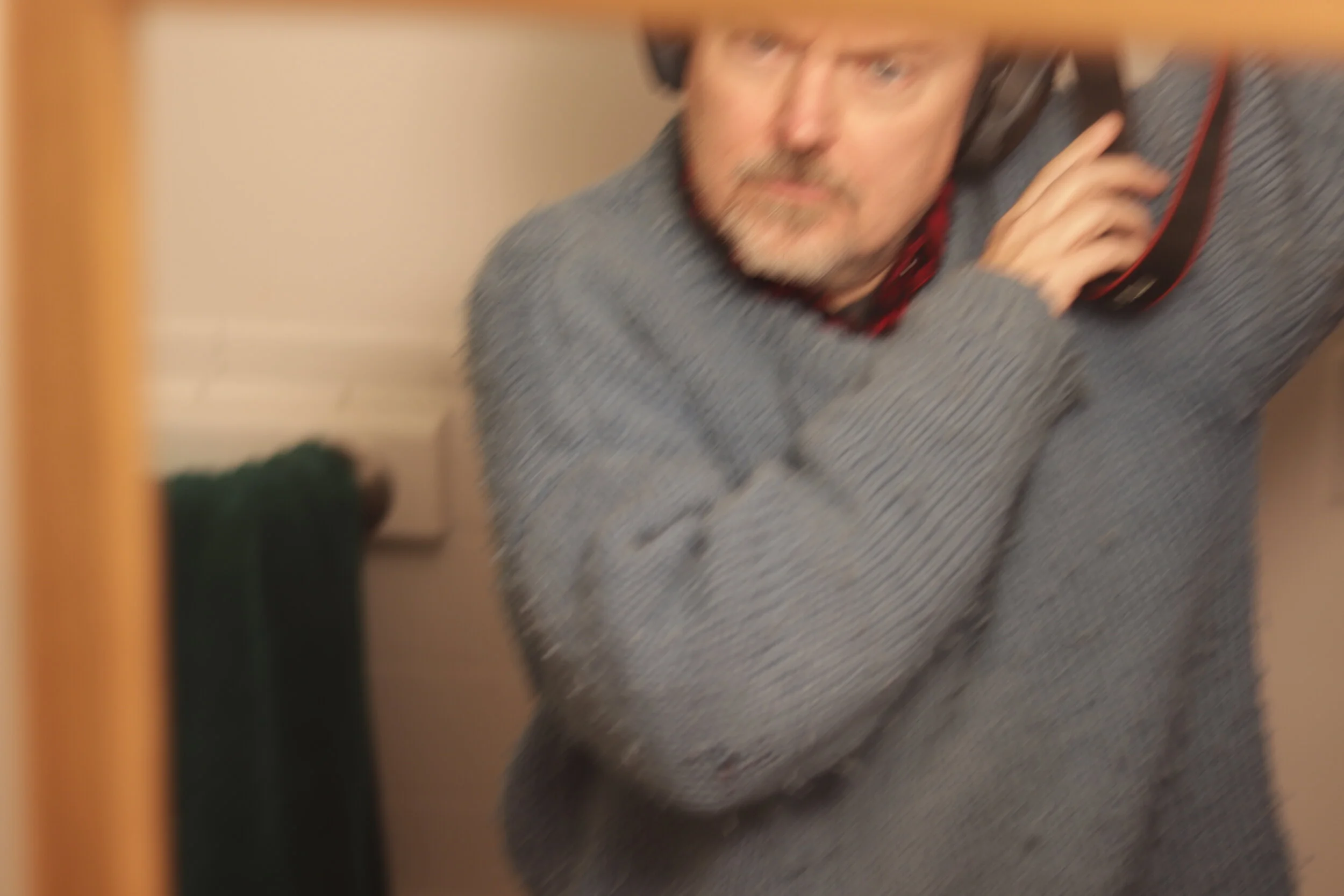
The first lesson also instructs me to take pictures without looking through the viewfinder. Once again, I felt an initial resistance “Why should I shoot worthless pictures” as if the pictures I take looking through the viewfinder are worth much. I did some of that today - and will do more. And yes, some of the pictures are “worthless” but there are also pictures that capture my attention and are ones I would never think to intentionally make.
Here are some of today’s pics - shot in jpeg, with no edits.

Self-portrati #1

Self-portrait #2

Zen Camera

Egg carton

Kitchen counter

House corner

6 foot forest
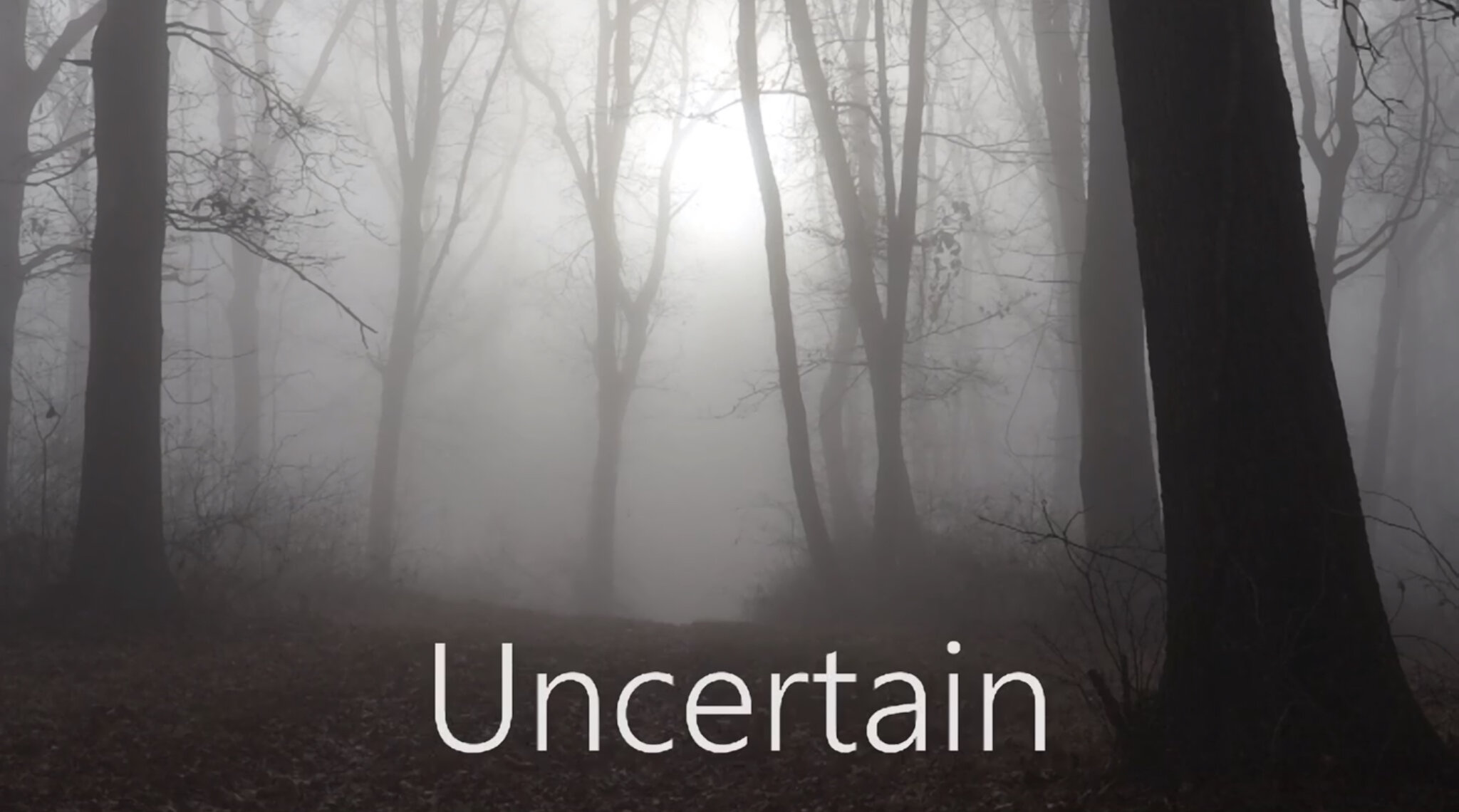
Six feet. This distance has marked off the height a man surpasses when he starts to be considered tall, and how far down that same man will be buried some day. But in this time of Covid, the first thing that comes to my mind when I hear “six feet” is marks on the floor indicating the minimum “safe” distance between people to effectively reduce risk of exposure. For months now I am seldom any closer to another person than six feet. Hugs and handshakes are not part of my social connection. My body is slowly getting familiar with what a six-foot separation feels like, and what someone breaks that invisible boundary.
My immediate neighborhood is hilly and wooded. This is a lovely environment, but it poses some challenges when I go out to take pictures. I’ve noticed that I like to take pictures that look off in the distance. Looking off in the distance isn’t easy when you are surrounded by hills and trees.
In spring, summer, the yellows, green, and reds of the trees’ leaves provide softness and color to forest scenes. As we move into late fall with the leaves gone it is easier for me to see off in the distance, but all I see is brown and branches.
This isn’t intended as a complaint, but an observation of what is. This brown and branchy scene is what I’m going to face with my camera.
The other day I thought about both the six-foot distance, and my photographic relationship to the woods. With those two thoughts in mind, I’ve decided on a little experiment. What kind of pictures would I capture if I used the six-foot distance in the woods. What do I see if I focus just on what is six feet in front of me.
I went out today with this limit in mind. I also decided to stick with a 50mm prime lens so I didn’t have the option of using a zoom and playing around with focal lengths.
The first thing I noticed is that I’m immediately drawn to taking pictures of tree trunks with some interesting character in their bark or shape. I also recognized that this kind of photography felt a bit like portrait photography – where I’m usually just focusing on one central subject, and rarely getting the whole subject in the frame. I really had to work to pay attention to scenes that were not at eye level.
I look forward to trying this approach in different situations and locations. I think the photographs do share some the same sense of separation that I encounter with others.



My Prayer Mat
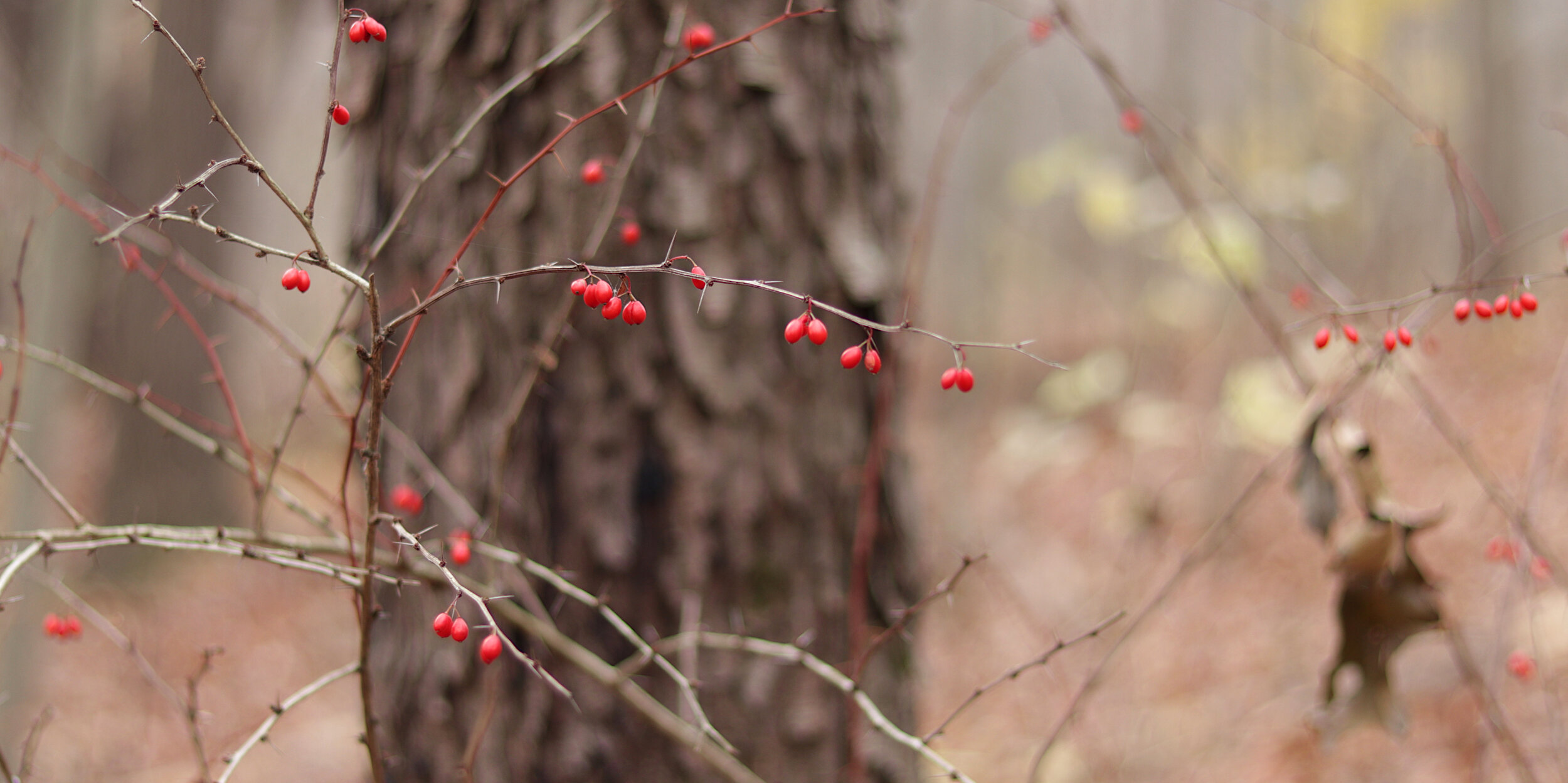
I was in the kitchen at The Hermitage the other morning preparing lunch for a guest and myself and in that space I encountered a moment of recognition and connection. At a pause in the work I found myself moving to stand on the mat by the sink and with my back to the sink I look out the window and pray. This has become a regular practice for me. While I am waiting for water to boil or onions to saute my feet often end up on the cushioned mat and I pray.
My prayers are the prayers that come to me throughout my day. They are simple two-line breath prayers that I slowly repeat.
Lord Jesus Christ, Son of God,
have mercy on me a sinner.O God, come to my assistance,
make haste to help me.Give me ears to hear the heavenly voice
and courage to answer the call.Open the door of my heart,
that I might receive you this day.
That specific morning the recognition dawned on me – “Oh, this is my prayer mat.”
I know that the use of a prayer mat is common in many traditions but I had given little thought to their use, or that I might be using one. With this recognition I now have an inkling of the experience of the prayer mat as a site of devotion and meeting with God. It demarcates a space that is a private temple where we go to talk with God. As a place where we put our feet it speaks to me being grounded and still. As someone who is nurtured by Benedictine spirituality my prayer mat in the kitchen speaks to me of the connection of work and prayer.
After our meal was complete, I stood on the same mat, this time turned around to face the dirty dishes and like Brother Lawrence I continued my ongoing little conversations with God.

One year of #Quietvideo
One year ago, on July 18, 2019, I shot and shared this 30 second video.
I had posted a couple 30 second videos earlier that month, but this is the one I remember as being something different. It is just a tree among trees, and grass. In the act of simply standing still and filming a tree for 30 seconds something opened up in me. Something was going on here that I needed to pay attention to and explore.
With this July 18 video of a tree I began posting on my YouTube channel and in the description added “A #quietvideo invitation to simply pause for 30 seconds and gaze at a tree. This is the first in a series exploring video making/watching as a contemplative tool.”
“First in a series!” The series and the exploring continues. It has become a vital spiritual exploration.
This video making is a spiritual practice where I am doing much more practicing and learning than accomplishing. This is probably appropriate, but it is sometimes discouraging. As with any spiritual practice, sometimes it is a rich and invigorating practice, and sometimes is feels like nothing is happening, and sometimes it feels like what is happening is I’m making meaningless drivel.
I remain very much the beginner.
Video making continues to be a practice that invites me to open up and be aware – to see what there is to be seen, and hear what there is to be heard, and to ponder my relationship with all that I see and hear.
I hope to explore new territory with this practice in the coming year, but I don’t know what that territory will be. I just need to watch, listen, and wait for it to come. (Oh, and keep my batteries charged.)
I like a flat line
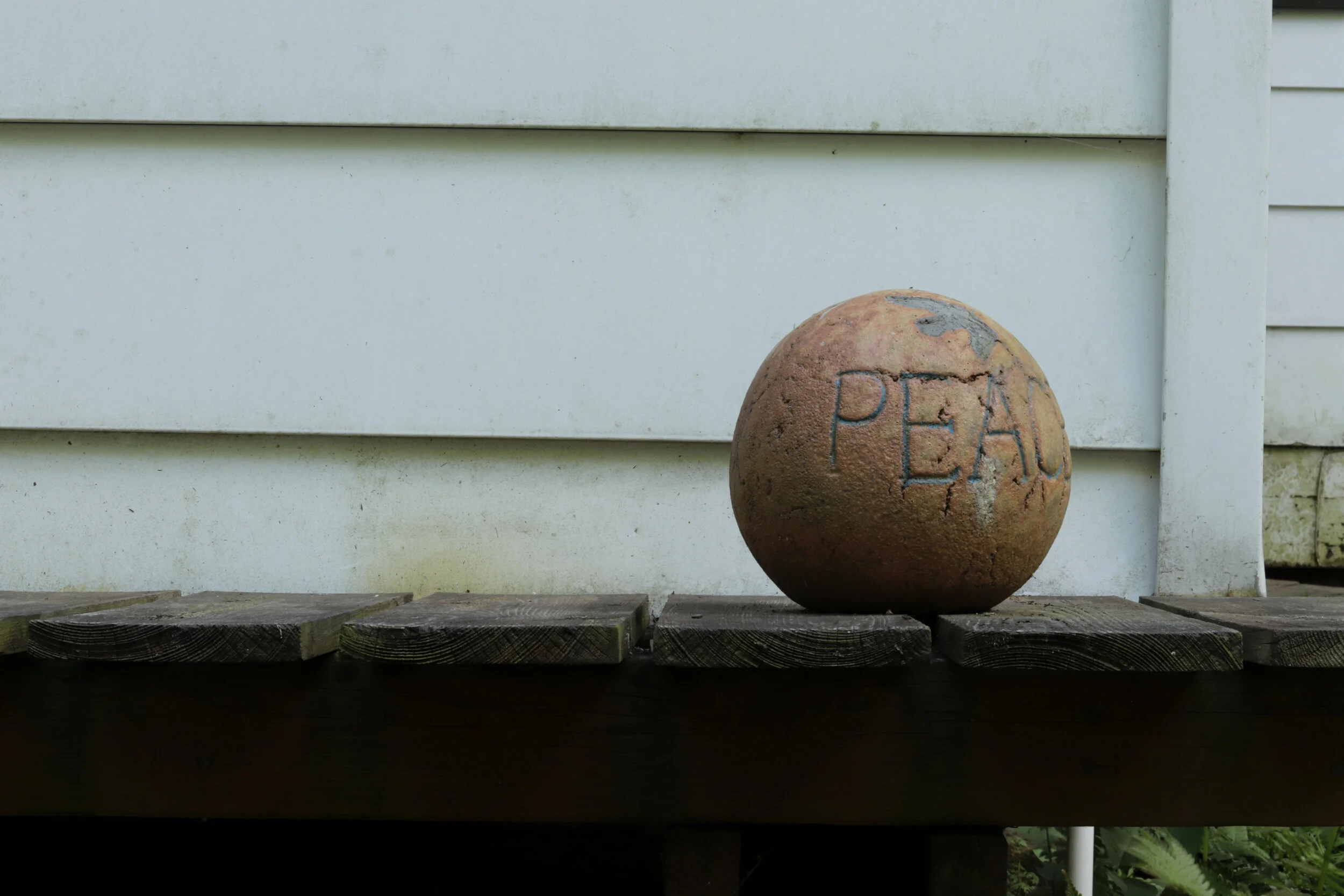
I was watching the amazing film “24 frames” by Abbas Kiarostami. It is a fascinating and beautiful piece of work. The film consists of 1 painting by Peter Bruegel and 23 of Kiarostami’s photographs each of which he then digitally “animates” creating a series of 4-5 minutes scenes. Maintaining the perspective of the original photograph each frame appears as a static shot with no camera movement. I found myself deeply drawn into these scenes and quickly realized it was not just the slowness and stillness of the scenes that was appealing to me, but noticed that many of the scenes featured a strong horizontal line - often the horizon, but not always. I found this calming. In fact as I was watching I thought to myself “I love a flat line.”
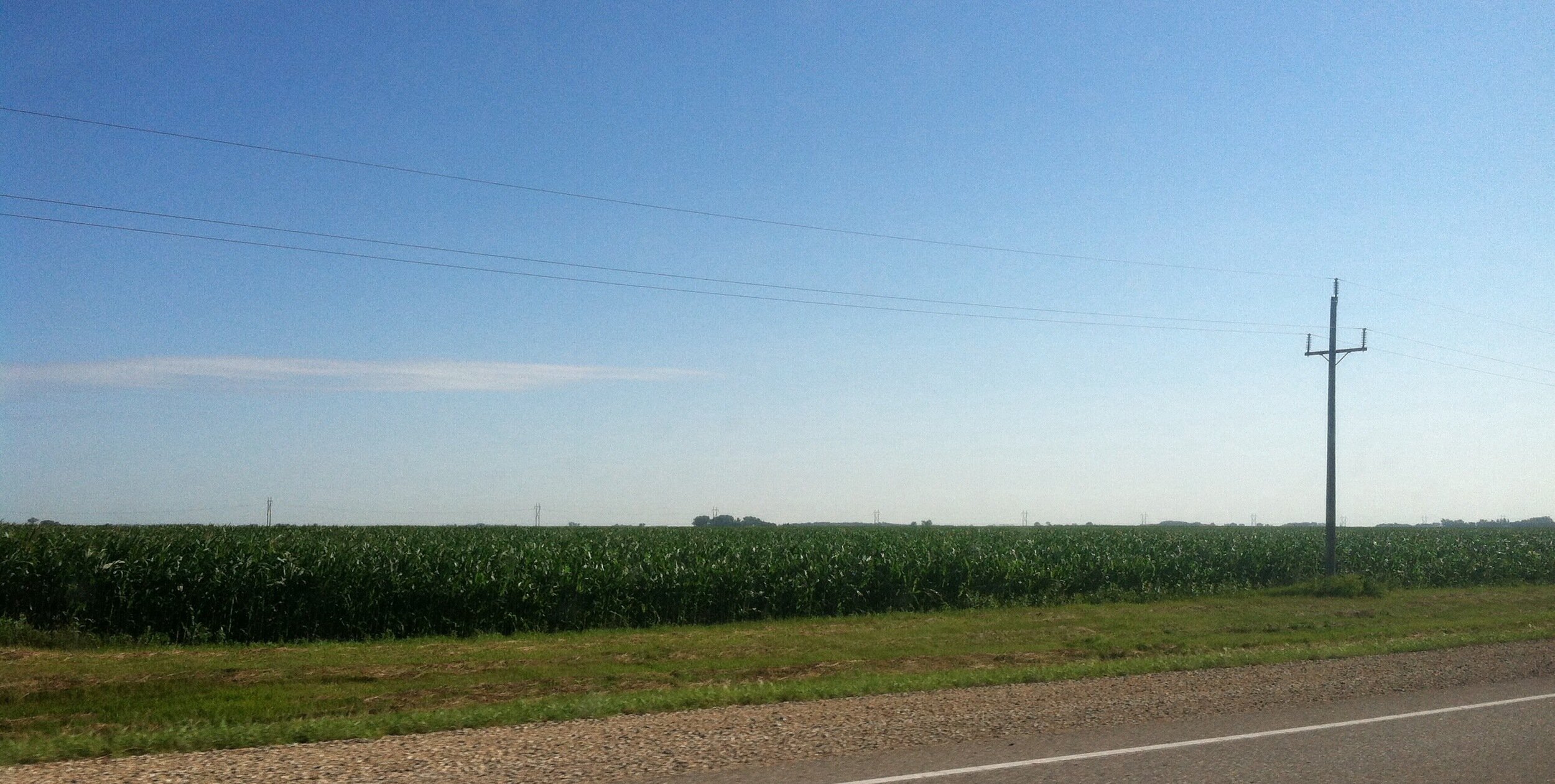
This is not a surprise, but it is a good reminder. I grew up on the prairies where the geography is nothing but a flat line. This flat line speaks to me of spaciousness and openness. I currently live in a moderately hilly and wooded area and flat lines at times seem absent. But I realize that part of my sense of an absence is a matter of perspective. On the prairies finding the flat line is a matter of looking off into the distance. It is a big view experience. Here, I must change my perspective and look closer to find those flat lines; those artificial horizons. But with this reminder of the importance of the flat line to my spirit I will work to open my eyes to the flat lines about me.


The Trouble with Intentions
I have troubles with intentions – mine, and others. In my biblical studies days I was quite bitten by the post-modern bug and would argue that with texts we don’t have author’s intentions, we merely have words on the page. If intentions mattered anywhere, it was more with the reader than the writer.
Today, I don’t necessarily disagree with that opinion, but I also don’t clutch onto it as some kind of dogma.
When I look at and think about the photographs and videos I’ve been creating lately, especially the videos, I will admit I’m pretty baffled about my own intentions. I often don’t really understand why I film what I do. It may very well be evidence that I’m just thoughtlessly amused by the novelty of making videos and will point the camera at whatever catches my eye. I described my approach to someone the other day as intuitive, impulsive, and impatient. I think there is some truth to that, but I also think I like saying that because it uses alliteration and they all seem shockingly uncharacteristic of me – like I’m some kind of free-wheeling artist.
As much as I’ve enjoyed not thinking about my intentions, I don’t know that this approach is really helping me – or anyone who spends time watching anything I create.
So, I will try to explore my intentions with the most recent video I posted on YouTube – “The Cabin”. Here is what I know about my intentions:
I had gone out walking looking for things to film or photograph.
I decided to do a shot of the cabin, because a cabin in the woods seems like potent image. People like the idea of a cabin in the woods.
The light was nice and the birds were singing, so this seemed like a good time.
I had been talking with someone about how I like long shots, so I thought I should film for 2.5 minutes.
I shot what was the 2nd scene in the video first.
At some point, I decided to shoot three vantage points of the cabin, each for 2.5 minutes. This idea was inspired by, or mimicing the work of James Benning. James Benning has done several films using the structure of a series of single shots of uniform length. I don’t know why that structure appeals to me. Benning also has a relationship with cabins as he has built replicas of the cabins of Thoreau and the Unabomber on his property.
I was intrigued by the relationship of the trees – particularly 2 trees in front – with the cabin.
When assembling the video, I liked the progression from further away to closer.
All the audio was what was captured when filming.
And here’s the thing, I enjoy the final product, although I completely understand why others might find it baffling and stop watching after a minute. Perhaps investigating why I enjoy it might reveal why I made it.
I like the idea of long shots with little movement because I think that is the stance I would like to have with life. Slowly gazing. Slowly receiving. Not rushing. This is certainly more aspirational than actual. Even if on the surface what is being gazed at and or received doesn’t seem to have any significance, spending some slow, quiet time with it opens the possibility for significance to emerge. I’m attracted to the idea of living my life in long, slow, simple scenes.
I like the structure of three 2.5 minutes segments because even though it is very slow rhythm, it is a rhythm. Rhythm and repetition are the foundations of style and the patterns that hold together a sensible life.
At first I was going to dismiss the cabin as an inconsequential convenience, something to point my camera at, but the does evoke a solitude which is important to me. This solitude fits well with long, quiet, uneventful scenes.
So I guess underneath it all, I had some intentions, and expressed them. I will, however, be delighted somebody watches it and has a completely different experience.